The Check Engine Light Came Back — Here's Why Your 'Fix' Probably Wasn't One
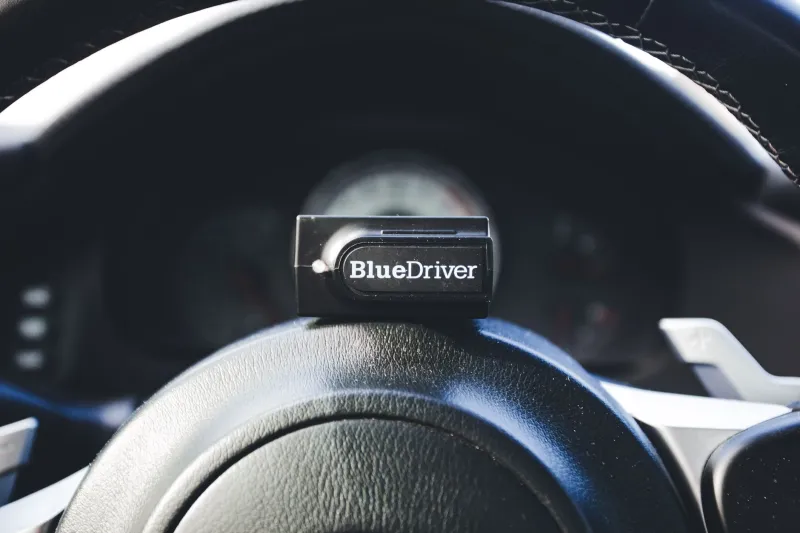
You paid the bill. You drove home. You felt good about it. Then, somewhere between Woodward Avenue and your driveway, that little amber glow showed up again on your dashboard like it never left.
If you've been through this cycle — fix, clear, repeat — you're not alone. It's one of the most common complaints we hear from Detroit drivers, and honestly, it's one of the most misunderstood situations in all of automotive repair. The check engine light coming back doesn't always mean your mechanic ripped you off. But sometimes it does. Knowing the difference is what this is all about.
What Actually Happens When a Shop "Clears" a Code
Here's the thing most drivers don't realize: clearing a diagnostic trouble code and fixing the underlying problem are two completely different actions. Any shop with a basic OBD-II scanner can wipe a code in about 30 seconds. Your light goes off, you feel relieved, and you hand over your money.
But if the root cause wasn't addressed? That code is coming back. The engine control module is constantly monitoring dozens of systems, and the moment it detects the same fault condition again — whether that's tomorrow or three weeks from now — it logs the code and lights the lamp.
Some shops do this intentionally. Others do it out of laziness or because they lack the equipment to go deeper. Either way, you're the one who ends up back in the service bay.
Common Reasons the Light Keeps Returning
Oxygen sensor misdiagnosis is probably the most frequent culprit we see. A faulty O2 sensor reading will often trigger codes that look like fuel mixture problems, catalytic converter failures, or even misfires. If a tech replaces the downstream sensor when the upstream one is the real issue, or vice versa, the light's coming back. Older Detroit vehicles — especially high-mileage trucks and domestic sedans that have been through a decade of Michigan winters — tend to have O2 sensors that degrade unevenly, making accurate diagnosis trickier.
A failing catalytic converter is another big one. Cats don't always fail all at once. They degrade gradually, and a shop might replace an O2 sensor or address an exhaust leak, temporarily improving readings enough to clear the code — but if the cat itself is deteriorating, that P0420 or P0430 code is circling back around.
Vacuum leaks are sneaky. A small crack in a vacuum line or a worn intake manifold gasket can trigger all kinds of seemingly unrelated codes. A tech might address what the code points to directly without ever finding the actual air leak causing the problem. In older vehicles, especially ones that have been exposed to the freeze-thaw cycle of Michigan winters, rubber hoses and gaskets get brittle fast.
Mass airflow sensor contamination is something Detroit mechanics deal with regularly, particularly in vehicles driven through a lot of construction zones or unpaved lots. A dirty MAF sensor throws off fuel calculations and can mimic other issues. If it's cleaned rather than replaced — and the contamination is severe — it may work fine for a few weeks before the readings go haywire again.
When It's a Recurring Real Problem vs. a Recurring Fake Fix
This is where drivers need to get a little assertive. Ask your shop two direct questions before you pay:
- What specific component was replaced or repaired, and why?
- What was the root cause of the code — not just the code itself?
A legitimate repair involves diagnosing why a sensor failed or why a system is misbehaving, not just swapping the part the code points to. If a tech can't explain the chain of causation in plain language, that's a yellow flag.
Also worth knowing: after a code is cleared, most modern vehicles require a specific number of drive cycles — sometimes 50 to 100 miles of varied driving — before the system fully resets and confirms the repair held. If your light comes back within that window, bring it back immediately and ask for a re-diagnosis at no charge. Any reputable shop will stand behind their work.
The Detroit Factor: Age and Road Conditions Matter
It's worth saying out loud — Detroit vehicles take a beating. Salt, potholes, temperature swings, stop-and-go city traffic — all of it accelerates wear on sensors, gaskets, and exhaust components. A vehicle that might only need one repair in a milder climate might need two or three interconnected fixes here.
That doesn't excuse sloppy diagnostics. It just means that a thorough inspection is even more important in this market. When a shop pulls a code on a high-mileage Detroit car, the smart move is to look at the whole system, not just the component the code flags.
What a Proper Diagnosis Actually Looks Like
A shop that's doing this right will use live data — not just stored codes — to watch how sensors are performing in real time. They'll check for pending codes alongside confirmed ones. They'll look at fuel trims, sensor voltage curves, and exhaust readings together, not in isolation.
That kind of diagnostic work takes more time and costs a little more upfront. But it's the difference between a repair that holds and one that sends you back to the service bay in two weeks.
If your check engine light has been playing this on-again, off-again game, don't just clear it again and hope for the best. Bring it somewhere that's going to read the whole story — not just the headline.