Engine on the Ropes: How Detroit Mechanics Decide Between a Rebuild and a Full Swap — and What That Means for Your Wallet
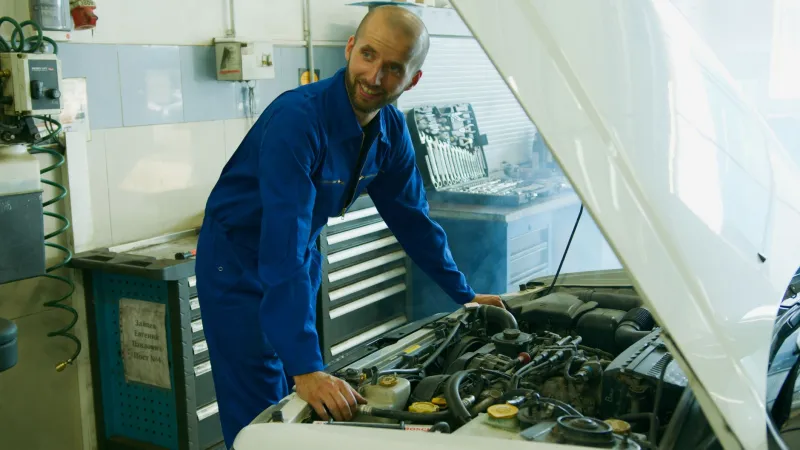
Let's set the scene. You're driving down I-75, maybe heading toward downtown, and your engine starts knocking. Not a little tap — a deep, rhythmic thud that makes your stomach drop. You pull into a shop, and suddenly you're staring at a decision that could run anywhere from $1,500 to $10,000 depending on which direction you go.
Rebuild or replace? It sounds simple, but in practice, it's one of the most nuanced calls a mechanic makes. And in Detroit — where hard winters, stop-and-go traffic, and aging vehicle fleets are all part of the daily grind — shops deal with this question constantly. Here's what they actually look at before they give you a number.
What "Engine Failure" Actually Means (It's Not Always Catastrophic)
First, a little perspective. When most people hear "engine problem," they picture a blown motor — seized pistons, cracked block, the whole nightmare. But the reality is that a lot of engine issues are far more targeted than that. A spun bearing is serious, but it doesn't automatically mean the entire engine is toast. A worn timing chain is a big job, but it's a completely different animal than a cracked cylinder head.
Mechanics in Detroit will tell you that the first step is always diagnosis, not assumption. Before any dollar figure goes on the table, a good shop will want to know:
- Where exactly is the damage? Is it isolated to one component, or has it cascaded through the engine?
- What does the oil look like? Metal shavings in the oil pan are a red flag that the damage has spread.
- What's the compression reading? Low compression across multiple cylinders suggests deeper structural problems.
- How many miles are on the engine overall? A high-mileage engine with one failing part might have other components that are quietly on their way out too.
The answers to those questions are what separate a $2,000 fix from a $7,000 rebuild.
The Case for a Targeted Replacement
Sometimes the damage really is contained. A timing chain that's stretched and skipping can cause serious performance issues — rough idle, poor acceleration, even misfires — but if you catch it before it jumps a tooth and bends your valves, you're looking at a component swap, not a full engine teardown.
Same story with a water pump failure that leads to overheating. If the engine was caught before it warped the head gasket, you're in relatively good shape. Replace the water pump, flush the cooling system, maybe swap the thermostat while you're in there, and you're done.
Targeted replacements make financial sense when:
- The core engine block and internals are still in solid condition
- The vehicle has low to moderate mileage (generally under 100,000 miles)
- The failing component is clearly isolated with no secondary damage
- The rest of the car is worth the investment
In these cases, a Detroit shop might quote you anywhere from $800 to $3,000 depending on parts and labor. That's real money, but it's a fraction of what a rebuild or engine swap costs.
When a Full Rebuild Makes More Sense
A rebuild is a different conversation entirely. This is where a mechanic pulls the engine, tears it completely down, inspects every internal component, and replaces anything that's worn or damaged. Bearings, rings, gaskets, seals — everything gets evaluated and most of it gets replaced.
Rebuilds make sense when the damage is widespread but the engine architecture itself is still sound. Think of a high-mileage engine that's been running low on oil for too long. The block might be fine, but the bearings are shot, the rings are worn, and the valve seals are leaking. A rebuild restores that engine to something close to factory specs.
Expect to pay $2,500 to $5,000 for a quality rebuild at a reputable Detroit shop, sometimes more for larger displacement engines or performance vehicles. The advantage? You know exactly what went into that engine, and a good shop will warranty their work.
Rebuilds make the most sense when:
- The vehicle has sentimental or collector value
- A replacement engine with comparable mileage is hard to find or expensive
- The damage is extensive but the block itself is undamaged
- You plan to keep the vehicle for several more years
The "Junkyard Engine" Option — Pros, Cons, and Detroit Reality
There's a third path that comes up a lot in Detroit shops: the used engine swap. Pull a lower-mileage engine from a salvage yard, drop it in, and you're back on the road for potentially less than a rebuild.
This can absolutely work. Metro Detroit has no shortage of salvage yards with solid inventory, and for common platforms — your GM trucks, Ford F-150s, popular Chrysler models — finding a decent used engine isn't hard. Costs can range from $1,500 to $4,000 installed, depending on the engine and its mileage.
The catch? You're buying someone else's unknown history. A reputable shop will pressure-test a used engine before it goes in, but you're still rolling the dice to some degree. If you go this route, make sure the shop offers at least a 90-day warranty on parts and labor, and ask specifically where the engine came from.
The Decision Tree Detroit Mechanics Actually Use
When a vehicle rolls into the bay with a serious engine complaint, here's roughly how the diagnostic thinking flows:
- Is the damage isolated or widespread? → Isolated points toward targeted repair. Widespread points toward rebuild or replacement.
- Is the block structurally sound? → A cracked block ends the rebuild conversation immediately.
- What's the vehicle worth? → Spending $4,000 on a car with $3,500 in trade-in value is a losing proposition.
- What's the owner's timeline? → Planning to sell in six months? Used swap. Planning to drive it for five more years? Rebuild or new engine.
- Is a quality replacement engine available? → If the salvage market is thin, a rebuild might actually be the more reliable path.
The Honest Bottom Line
There's no universal right answer here, and any shop that gives you one without a thorough diagnosis is one you should probably walk away from. The rebuild-versus-replace decision is genuinely situational, and the variables matter.
What Detroit mechanics consistently say is this: don't let fear push you into the most expensive option by default. A lot of engine problems that sound catastrophic are actually manageable — if you act quickly and work with a shop that's willing to explain the diagnosis step by step.
If you're facing this decision right now, come see us. We'll put the car on the lift, give you a straight assessment, and walk you through the numbers without the runaround. That's the Autoline Detroit way — no upsells, no scare tactics, just honest answers so you can make the call that's right for your situation.