How a $50 Warning Light Turns Into a $5,000 Repair Bill — Detroit Shops Have Seen It All
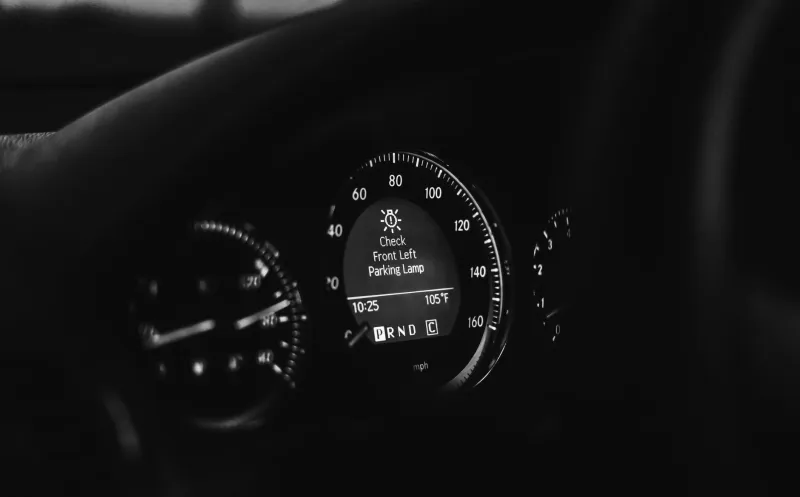
Let's be honest for a second. You've seen the light pop on. Maybe it's been glowing amber for two weeks. Life's busy, the car still drives fine, and hey — if something was really wrong, you'd know it, right?
Wrong. And Detroit mechanics will tell you that story ends the same way almost every time.
There's a reason shops around here see a steady stream of repairs that could've cost a fraction of what owners ultimately pay. It's not bad luck. It's human nature — and a little bit of wishful thinking — colliding head-on with automotive reality.
Why We Ignore the Obvious
Psychologists have a term for it: present bias. We're wired to weight immediate comfort over future consequences, especially when the future consequence feels abstract. A glowing dashboard light doesn't hurt. It doesn't make noise (usually). And since the car keeps moving, our brains file it under "probably fine."
There's also something called normalcy bias — once a warning light has been on long enough, it starts to feel normal. You stop seeing it. It becomes part of the dashboard furniture.
But here's what's actually happening inside your engine, transmission, or cooling system while you're busy not thinking about it: damage is compounding. Parts that were stressed are now failing. Components that were failing are now gone. And the repair that would've been a quick fix is now a project.
Detroit shops see this constantly, and the dollar amounts are not subtle.
Real Stories, Real Numbers
One shop on the east side had a customer come in with a check engine light that had been on for about six weeks. The original fault code? An oxygen sensor — a part that typically runs $150–$250 to fix, labor included. Simple job. But because the faulty sensor was feeding bad data to the engine's fuel management system, the engine had been running rich the whole time, soaking the catalytic converter in unburned fuel. By the time the car rolled in, the cat was destroyed. The repair jumped from $200 to nearly $1,800.
Another customer, this one from a shop near Dearborn, ignored a temperature warning light for three days because "it only comes on sometimes." Intermittent warnings are actually more dangerous in some ways — they lull you into thinking the problem isn't serious. The coolant leak that was causing the overheating finally let go completely during a highway run. The engine overheated hard. Head gasket blown. That repair? $2,400. The original coolant leak would've been under $300 to fix.
And then there's the oil pressure light — arguably the most dangerous one to ignore. A driver near Hamtramck saw it flicker on and off for a week. Assumed it was a sensor issue. It wasn't. Low oil pressure means your engine's internal components are running without proper lubrication. Metal is grinding on metal. When the car finally died, the engine needed a full replacement. Over $6,000.
The Lights That Can't Wait — And the Ones That Can
Not every warning light is a four-alarm fire. Some genuinely can wait a few days while you schedule an appointment. Others mean pull over right now. Here's a quick breakdown:
Stop immediately — no exceptions:
- Oil pressure warning (red oil can icon): Low or no oil pressure means catastrophic engine damage can happen within minutes. Pull over, turn off the engine, call for help.
- Engine temperature warning (red thermometer): Overheating destroys head gaskets, warps cylinder heads, and can seize an engine. Don't drive it.
- Battery/charging system warning (red battery icon): Your car may only have minutes of power left. Get to a safe spot fast.
- Brake system warning (red BRAKE or exclamation point): If this comes on while driving and your pedal feels soft, you may have a serious brake failure situation.
Schedule an appointment within a day or two:
- Check engine light (solid, not flashing): Dozens of possible causes. Some are minor, but ignoring it risks cascading damage like the oxygen sensor example above.
- Tire pressure warning (TPMS): Driving on significantly underinflated tires affects handling, fuel economy, and tire life. Easy and cheap to address.
- Low fuel warning: Okay, this one's obvious — but repeatedly running your tank very low can actually damage your fuel pump over time.
A flashing check engine light is different: That means the engine is misfiring badly enough to potentially damage the catalytic converter in real time. That's a "stop driving soon" situation, not a "get to it eventually" one.
The Real Cost Comparison
Let's put some numbers side by side so this hits home:
| Warning Light | Fix It Now | Ignore It — Here's What Breaks | Ignore It Cost |
|---|---|---|---|
| Oxygen sensor | $150–$250 | Catalytic converter | $800–$2,500 |
| Coolant temp / leak | $150–$400 | Head gasket or engine | $1,500–$4,000+ |
| Oil pressure | $50–$200 (sensor/oil) | Engine replacement | $3,000–$8,000 |
| Transmission temp | $200–$500 | Transmission rebuild | $2,500–$5,000 |
| Brake warning | $150–$600 | Rotors, calipers, safety risk | $800–$2,000+ |
The pattern is pretty consistent: every dollar you don't spend early costs you five to twenty dollars later. That math never gets more favorable the longer you wait.
Detroit Roads Don't Help
It's worth pointing out that Detroit drivers are dealing with conditions that accelerate wear on just about every system in a vehicle. Pothole impacts stress suspension and wheel components. Winter road salt corrodes brake lines, fuel lines, and exhaust systems. Cold starts in January put extra strain on engines and batteries. All of that means warning signs here can escalate faster than they might in a more temperate, smoother-road city.
When a warning light comes on in Detroit, the underlying issue has often already been developing longer than you'd think.
What to Actually Do
The fix here isn't complicated, even if it's a little inconvenient:
- Take photos of any warning light as soon as it appears. If it comes and goes, having a record helps your mechanic narrow down the cause faster.
- Don't Google yourself into a panic — but do Google enough to know the urgency level. Some lights are genuinely low priority. Others are not.
- Call your shop before you decide to wait. A two-minute phone call can tell you whether you're okay to drive for a few days or whether you need to come in today.
- Build a small car maintenance fund. Even $50 a month set aside means you're not making financial decisions when something unexpected pops up.
Your car is constantly communicating with you through that dashboard. The question is whether you're listening before it has to start screaming.