Salt, Snow, and Steel: Why Rust Is Detroit's Biggest Car Problem and What You Can Actually Do About It
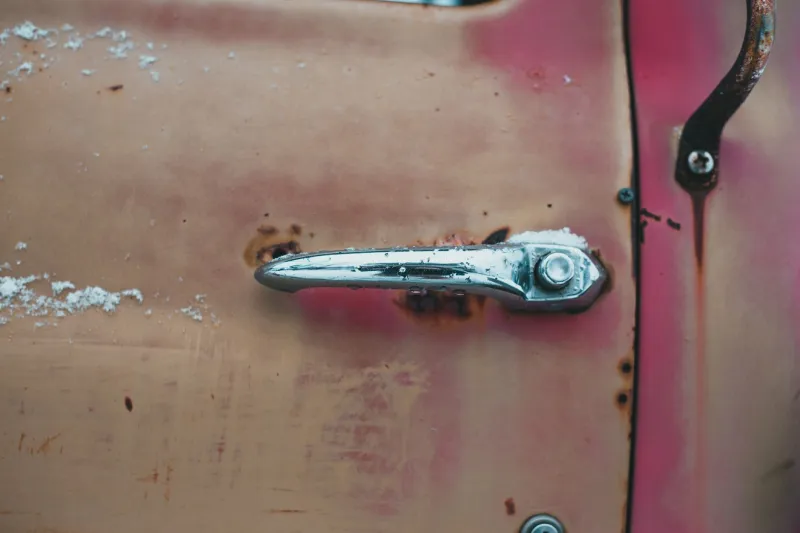
Let's talk about something that doesn't get nearly enough attention in the automotive world, at least not from the perspective of someone actually living and driving in Detroit: rust. Corrosion. The slow, creeping, structural decay that turns a solid vehicle into something that makes your mechanic wince when they put it on the lift.
This isn't a scare piece. It's a real conversation about a real problem that affects virtually every vehicle driven on Michigan roads, and what you can reasonably do to fight back.
The Salt Factor: Why Detroit Is Especially Brutal
Michigan roads get treated with road salt aggressively, and for good reason — keeping roads drivable during our winters is a genuine public safety issue. But the chemical used to melt ice and improve traction is also an incredibly effective corrosion accelerator. Salt lowers the freezing point of water, which keeps moisture in liquid form at temperatures where it would otherwise freeze harmlessly. That liquid, now loaded with sodium chloride, clings to your vehicle's undercarriage, wheel wells, frame rails, and suspension components — and it starts eating metal almost immediately.
The Midwest, and Michigan in particular, consistently ranks among the worst regions in the country for rust-related vehicle damage. It's not just the cold. It's the combination of cold, moisture, and the sheer volume of salt applied to roads from roughly November through March. Drive a car in Detroit for five or six winters without any corrosion protection and you will have rust. That's not pessimism — that's just chemistry.
Where Rust Actually Hides (And Why It's Sneaky)
Here's what makes corrosion particularly insidious: by the time you can see it, it's often already been at work for years. The rust you notice on a quarter panel or along a door edge is surface rust — cosmetically annoying but usually not structural. The rust that actually matters is the stuff you can't see without getting under the vehicle.
Frame rails, subframe components, brake lines, fuel lines, exhaust hangers, floor pan supports — these are the areas where rust can compromise the actual integrity and safety of your car. We've seen vehicles come through our service bays where the brake lines were so corroded they were essentially waiting to fail. That's not a scare tactic. That's a Tuesday in a Detroit shop.
Rust also loves seams — anywhere two pieces of metal overlap and trap moisture. Door seams, trunk lids, wheel arches, and the area where the rocker panels meet the floor are all common trouble spots. Checking these areas periodically, especially after winter, is genuinely worthwhile.
Undercoating: What It Is, What It Isn't, and Whether You Need It
Undercoating is probably the most talked-about rust prevention solution, and there's a fair amount of confusion about what it actually does. At its core, undercoating creates a barrier between your vehicle's metal surfaces and the corrosive elements they're exposed to. Applied correctly to a clean surface, it can significantly slow the rate of rust formation on your undercarriage.
There are a few different types worth knowing about:
Rubberized undercoating is probably the most common. It sprays on as a thick, flexible coating that deadens road noise while providing a moisture barrier. It works well but can trap moisture if it cracks or if applied over existing rust, which is why surface prep matters enormously.
Oil-based or penetrating undercoating is increasingly popular and, frankly, our preferred recommendation for Michigan drivers. Products like Fluid Film or Krown use a lanolin or oil-based formula that seeps into seams and crevices where rubberized coatings can't reach. They do need to be reapplied annually, but their ability to get into tight spaces makes them especially effective.
Ceramic or epoxy coatings are more permanent solutions, often applied to new or freshly stripped vehicles. They're more expensive but can last the life of the vehicle if applied properly.
If you're buying a new vehicle, getting undercoating done before its first winter is ideal — you're protecting clean, uncompromised metal from the start. If you have an older vehicle, it's still worth doing, but have a professional assess the current condition of the undercarriage first. Sealing rust in under a coating can actually accelerate corrosion in some cases.
Annual Maintenance Habits That Actually Make a Difference
Undercoating alone isn't a complete solution — it's one layer of a broader approach. Here's what we'd recommend building into your regular routine:
Wash your car through the winter. We know it feels pointless when it's going to be slushy again in 48 hours, but regular washing — especially targeting the undercarriage — removes salt buildup before it has extended time to work. Many car washes offer undercarriage rinse options. Use them.
Don't let salt sit after winter ends. When the last snow melts in March or April, give your vehicle a thorough wash and inspect the undercarriage. This is a good time to touch up any areas where undercoating has worn or chipped.
Keep drain holes clear. Many vehicle body panels have small drain holes designed to let trapped water escape. These can get clogged with road debris and leaves, creating standing water pockets that accelerate rust. Check and clear them during your seasonal inspections.
Address paint chips promptly. Chips in your exterior paint expose bare metal to moisture and salt. Touch-up paint isn't glamorous, but applying it to small chips before they start rusting is a lot cheaper than a body shop repair later.
Product Picks Worth Considering
For DIY-minded Detroit drivers, a few products have earned strong reputations in Midwest conditions:
- Fluid Film — An agricultural-grade lanolin-based product that works exceptionally well as an annual undercoating spray. Available at most farm and auto supply stores.
- Corroseal — A rust converter that chemically transforms existing surface rust into a more stable compound, useful for treating spots before applying a protective coating.
- 3M Rubberized Undercoating — A solid aerosol option for spot treatment of chips or worn areas in existing undercoating.
The Bottom Line
Rust is a Detroit car problem. It's not unique to us, but it hits harder here than in most parts of the country, and pretending otherwise doesn't do anyone any favors. The good news is that it's largely manageable with consistent attention and the right protection strategy.
At Autoline Detroit, we offer undercoating services and annual corrosion inspections — and we'll give you an honest assessment of where your vehicle stands and what actually makes sense for your situation. We're not here to sell you services you don't need. We're here because we drive these same roads and deal with the same salt and slush every winter. We get it.