How to Know If Your Mechanic Is Actually Straight With You — A Detroit Driver's Cheat Sheet
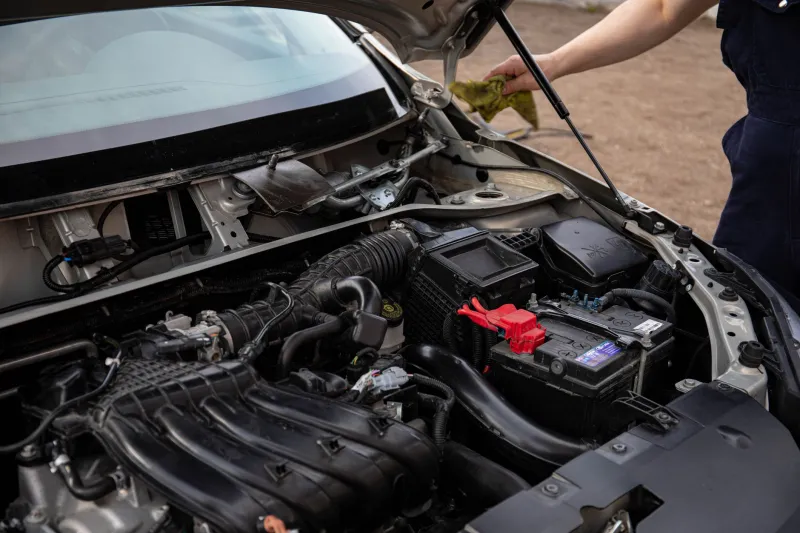
Let's be honest about something: most people don't know a lot about how their car works, and most mechanics know that. The good ones use that knowledge gap to help you. The not-so-good ones use it to pad their invoices.
In a city like Detroit — where a lot of folks are driving older vehicles, putting real miles on them, and watching every dollar — finding a shop you can actually trust isn't just convenient. It's a financial survival skill. So here's a straight-talk guide to reading the room when you walk into a repair shop.
The First Five Minutes Tell You a Lot
Pay attention the moment you walk through the door. Is the waiting area reasonably clean and organized? Are the staff making eye contact and greeting you, or are you standing there for three minutes while someone finishes a phone call?
None of this is conclusive on its own, but first impressions in a service environment often reflect how a shop operates overall. A place that's chaotic and dismissive at the front counter tends to be chaotic and dismissive in the bay.
More importantly, notice how they ask about your problem. A good service advisor asks open-ended questions — "What have you been noticing?" or "When does it happen?" — and actually listens. A shop that jumps straight to "yeah, sounds like it needs X" before you've finished your sentence isn't diagnosing your car. They're guessing. And you're paying for that guess.
Green Flags: What Honest Shops Do
They show you the problem. If a mechanic tells you your brake pads are worn down or your CV axle boot is cracked, they should be willing to show you. Either walk you back to the vehicle on the lift or show you the removed part. A shop that can't or won't do this is asking you to take their word for something you're paying hundreds of dollars to fix.
They explain the difference between urgent and non-urgent repairs. Not every issue needs to be fixed today. A trustworthy shop will tell you "this needs to happen soon" versus "keep an eye on it and we'll check again at your next oil change." If every single thing they find is an emergency, that's not a coincidence — that's a sales strategy.
They give you a written estimate before touching anything. This is actually required by Michigan law for most automotive repairs, but not every shop treats it as seriously as they should. The estimate should be itemized — parts, labor, and any fees listed separately. Vague estimates are how surprise charges end up on your final invoice.
They're upfront about parts sourcing. Are they using OEM parts, aftermarket, or rebuilt components? Each has its place, but you should know what's going in your vehicle. Honest shops will explain the tradeoffs without pressure. If a shop gets cagey when you ask about parts quality, that's worth noting.
Red Flags That Should Make You Pause
Pressure to decide right now. "We can't put it back together unless you approve this" is a classic pressure tactic. While there are legitimate situations where a vehicle can't be safely reassembled mid-repair, this line gets used way too liberally. If you feel rushed into a decision, slow down and ask questions.
Diagnosis fees that vanish into thin air. Some shops charge a diagnostic fee, which is completely fair — that work has real value. But if they're willing to waive it entirely if you just approve the repair right now, it tells you the fee was leverage, not a real cost.
No warranty on parts or labor. Reputable shops stand behind their work. A standard warranty on repairs is 12 months or 12,000 miles for parts and labor, though some shops offer more. If a shop can't tell you their warranty policy off the top of their head, that's a problem.
They can't explain why, only what. Any mechanic can tell you that you need a new water pump. A good mechanic can explain why — what symptoms, what test results, what they observed — in terms you can understand. If the explanation falls apart under basic questions, the diagnosis might too.
Questions Worth Asking Before You Commit
You don't need to be an automotive expert to ask smart questions. Try these:
- "Can you show me what you found?"
- "Is this repair urgent, or can it wait a few weeks?"
- "What parts are you using, and are they covered under warranty?"
- "What's your labor warranty policy?"
- "If this repair doesn't fix the problem, what happens next?"
A shop that gets defensive or evasive about any of these questions is telling you something important.
The Trust Test
Here's a simple gut check: after leaving the shop, do you feel like you understand what was done and why? Or do you feel vaguely confused and a little taken advantage of?
That feeling matters. Detroit drivers have enough to deal with on these roads without wondering if the shop that just serviced their car actually helped them or just helped themselves. The shops worth your business are the ones that make you feel like a customer, not a transaction.
Once you find one of those, stick with them. And tell your neighbors.