Dealer or Local Shop? Here's Where Detroit Drivers Are Actually Getting the Better Deal
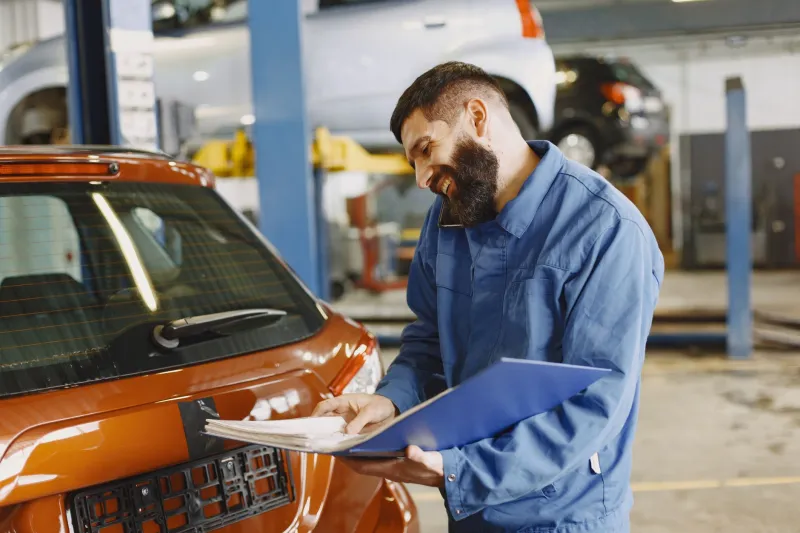
Ask ten Detroit drivers where they take their car for service and you'll probably get ten different opinions — and ten different reasons why their choice is obviously the right one. The dealership loyalists will swear by factory-trained techs and OEM parts. The independent shop crowd will tell you they've been saving hundreds of dollars a year by going down the street instead of to the brand showroom.
Here's the thing: both sides have a point. But neither side has the full picture.
Let's actually dig into this, because the "dealers always rip you off" narrative is just as misleading as the "only the dealer knows your car" pitch. The truth lives somewhere in the middle, and where you land depends a lot on what you're driving, how old it is, and what kind of work needs to get done.
The Dealership Advantage Is Real — Under the Right Conditions
If your vehicle is still under the manufacturer's warranty, this one isn't even a close call. Take it to the dealer. Warranty repairs are covered at zero cost to you, and using an unauthorized shop for certain types of work — especially anything touching powertrain or emissions systems — can create headaches if you ever need to file a warranty claim later.
Beyond warranty work, dealers genuinely shine when it comes to brand-specific diagnostics. A Ford dealer working on a Ford F-150 has access to proprietary software, technical service bulletins, and calibration tools that a general independent shop simply won't have. Same goes for GM vehicles, Stellantis products, and imports. If your car throws a weird code that requires a manufacturer-level diagnostic scan, the dealer has the edge.
Recall repairs are another no-brainer for the dealership. Those are always free, and you have to go through an authorized dealer to get them done anyway.
There's also something to be said for accountability. Dealerships are tied to their brand reputation in a way that a one-location independent shop isn't. If a dealer's service department develops a bad reputation, corporate hears about it. That doesn't mean every dealer service center is excellent — plenty aren't — but the oversight structure is different.
Where Independent Shops Win, and Win Big
Once your car is out of warranty, the calculus shifts pretty dramatically. Labor rates at dealerships in the Detroit metro area can run anywhere from $130 to $180 per hour depending on the brand and location. A well-regarded independent shop? Often $90 to $120 per hour for the same work, sometimes less.
On a job like a timing chain replacement or a full brake overhaul, that hourly gap adds up fast. We're talking potential savings of $200 to $500 on a single repair when you factor in both labor and the fact that independent shops often have more flexibility in sourcing quality aftermarket parts at lower cost.
For routine maintenance — oil changes, tire rotations, air filters, brake pads — independent shops almost always deliver better value. These aren't jobs that require proprietary tools or brand-specific expertise. A skilled independent mechanic can handle them just as competently, often faster, and usually cheaper.
Another underrated advantage of a good independent shop is the relationship factor. When you find a mechanic you trust in your neighborhood, they get to know your car's history. They remember that you had a coolant leak fixed six months ago, that your suspension was making noise last winter, that you're planning a road trip next month. That kind of continuity is harder to get at a dealership, where your service advisor might change every time you walk in.
The Parts Question: OEM vs. Aftermarket
Dealerships use OEM (Original Equipment Manufacturer) parts — the same components the car was built with. Independent shops typically use aftermarket parts, which are made by third-party manufacturers and are usually less expensive.
Here's what most people don't realize: aftermarket doesn't automatically mean inferior. Many aftermarket parts are made by the same suppliers that make OEM components, just without the brand badge. For things like brake pads, filters, belts, and batteries, a quality aftermarket part from a reputable brand performs just as well and costs noticeably less.
Where OEM matters more is in precision-fit components — certain sensors, electronic modules, or body parts where exact specifications matter. For those, the dealer's parts department has an advantage.
A Practical Detroit Scenario
Let's say you're driving a 2021 Chevy Silverado with 45,000 miles on it. You're still within the 3-year/36,000-mile bumper-to-bumper warranty window — actually, just past it — but still under the 5-year/60,000-mile powertrain coverage. For anything touching the engine or transmission, stick with the dealer. For an oil change, new wiper blades, or a set of brake pads? Call around to a few trusted independents in your area and compare quotes.
Now flip the scenario: same truck, 95,000 miles, well out of warranty. Unless there's a specific diagnostic issue that requires GM-proprietary software, you're almost certainly better served by a quality independent shop that knows trucks and has solid reviews from other Detroit drivers.
How to Vet an Independent Shop in Detroit
Not all independent shops are created equal, and that's the real risk in this conversation. A bad independent mechanic can cost you far more than a dealer ever would. Here's what to look for:
- ASE Certification: Technicians with ASE (Automotive Service Excellence) credentials have passed standardized testing. It's not a guarantee, but it's a meaningful baseline.
- Google and Yelp Reviews: Look for patterns, not just star ratings. Consistent comments about honesty and clear communication matter more than a handful of five-star reviews.
- Warranty on Work: Reputable independent shops stand behind their repairs with at least a 12-month/12,000-mile warranty on parts and labor.
- Willingness to Show You: A good shop will show you the worn part they replaced and explain what they found. If they're cagey about that, pay attention.
The Bottom Line for Detroit Drivers
Stop thinking of this as a permanent loyalty pledge to one side or the other. Smart Detroit drivers use both, strategically. Dealer for warranty work, recalls, and brand-specific diagnostics. Independent shop for out-of-warranty maintenance and repairs where labor rates and parts flexibility give you real savings.
Know your car's warranty status. Know what kind of work you need. And don't be afraid to get a second quote — whether that's calling a local independent after a dealer estimate, or vice versa. Your wallet will thank you for treating this like the financial decision it actually is.