Stop Paying Extra at the Pump: The Truth About Premium Gas That Detroit Drivers Need to Hear
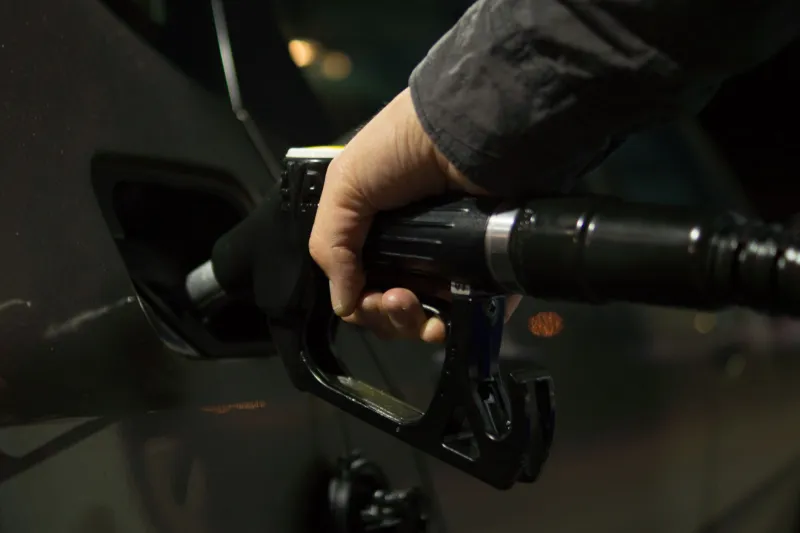
Let's do some quick math. Say you fill up twice a week, and you're choosing premium over regular every single time. Depending on where you're pumping gas in the Detroit metro, that spread between regular and premium can run anywhere from 40 to 70 cents per gallon. On a 15-gallon tank, that's around $6 to $10 extra per fill-up. Over a full year? You're looking at somewhere between $600 and over $1,000 in unnecessary spending — and for some drivers who've been doing this for years, we're talking well past the $2,000 mark. All for fuel their engine wasn't asking for in the first place.
This isn't a niche problem. At Autoline Detroit, we hear it constantly — customers coming in convinced that premium gas gives their car "better performance" or "keeps the engine cleaner." And honestly, it's not entirely their fault. The gas station industry has done a masterful job of making premium sound superior in every situation. But superior and necessary are two very different things.
What Octane Actually Is (and What It Isn't)
Octane rating is not a measure of fuel quality, energy content, or how clean the gas burns. It's a measure of the fuel's resistance to something called knock — or pre-ignition, if you want the technical term. Knock happens when the air-fuel mixture in your cylinder ignites before the spark plug fires, which creates that pinging or knocking sound and, over time, can damage engine components.
High-compression engines — the kind found in performance vehicles, turbocharged cars, and certain luxury models — generate more heat and pressure inside the combustion chamber. They need fuel that won't ignite prematurely under those conditions. That's where 91 or 93 octane fuel earns its keep.
A standard naturally aspirated engine running at moderate compression ratios? It doesn't generate anywhere near enough pressure to cause knock on regular 87 octane fuel. Pumping premium into that engine doesn't give it a boost. The fuel just burns the same way regular would — you've simply paid more for the privilege.
The Upsell Game at the Pump
Gas stations and fuel brands have spent decades building an association between "premium" and "better." The word itself does a lot of heavy lifting. Nobody wants to put "regular" in their car when there's something called "premium" sitting right next to it. It feels like choosing the cheap option, even when the cheap option is exactly what your vehicle needs.
Some fuel brands market their premium grades with enhanced detergent packages or special additives. And while Top Tier certified fuels — available at many stations across the Detroit area — do offer legitimate detergent benefits, that certification applies across their fuel grades, not just premium. You can get those cleaning benefits from Top Tier regular unleaded. The additive argument for going premium, in most cases, just doesn't hold up.
Then there's the "it makes my car feel smoother" crowd. Here's the thing: if your car actually runs noticeably better on premium, that's a signal worth paying attention to — but not for the reason you might think. It could indicate that your engine has carbon buildup, timing issues, or another underlying problem that's making it sensitive to lower octane. That's a conversation to have with a mechanic, not a reason to permanently upgrade your fuel grade.
When Premium Fuel Is Actually Worth Every Cent
To be clear, this isn't an anti-premium fuel argument. For the right engines, premium isn't optional — it's essential. Here's how to know which camp you're in.
Check your owner's manual first. This is the only reliable source. Manufacturers will use one of two phrases: required or recommended. Those words matter enormously.
- Required means your engine is tuned specifically for high-octane fuel. Running regular consistently can cause knock, trigger the knock sensor repeatedly, retard ignition timing, and over time reduce both performance and engine longevity. Don't cheap out here.
- Recommended means the engine is designed to run on regular but is calibrated to take advantage of premium if you use it. In some cases, you might see a slight bump in horsepower or fuel efficiency on premium — but whether that offsets the cost difference is a personal call, and often it doesn't.
Common vehicles in the Detroit market that require premium include many BMWs, certain Cadillac models, the Chevrolet Camaro with the LT1 engine, most turbocharged European imports, and high-output truck engines like the Ford F-150's 3.5L EcoBoost in some configurations. But a base Toyota Camry, a Honda CR-V, a Chevy Equinox, a Ford Escape? Regular all day, every day.
A Practical Checklist Before Your Next Fill-Up
If you've been defaulting to premium out of habit or uncertainty, here's a simple process to set yourself straight:
- Pull out your owner's manual and look up the fuel requirements section. If you don't have the physical copy, most automakers have digital versions on their websites.
- Check the inside of your fuel door. Many manufacturers print the octane requirement right there — it takes about three seconds to look.
- If the manual says 87, use 87. No asterisk, no exception.
- If it says 91 or higher is required, don't cut corners. The short-term savings aren't worth the long-term engine wear.
- If it says premium is recommended but not required, run a tank of regular and see how the car performs. No knock, no hesitation, no warning lights? You're probably fine.
What Detroit's Roads Actually Demand
Here in metro Detroit, we're dealing with stop-and-go commutes on I-75, cold starts in January that would make a Floridian cry, and a driving culture built around trucks and SUVs that haul real loads. The fuel conversation matters here because people are driving hard miles on these vehicles, and every dollar spent on unnecessary premium is a dollar that could go toward the maintenance that actually protects your engine — oil changes, coolant flushes, filter replacements.
At the end of the day, premium gas isn't a scam. It's a product designed for specific engines, and it does exactly what it's supposed to do in those applications. The scam — if you want to call it that — is the cultural messaging that makes regular-fuel drivers feel like they're somehow neglecting their cars by not upgrading.
Your engine was engineered by people who spent years optimizing it for a specific fuel grade. Trust the engineers. Check the manual. Keep that extra cash in your pocket — or better yet, put it toward your next service appointment.