That Little Orange Light Doesn't Always Mean Disaster — Here's What Detroit Drivers Need to Know
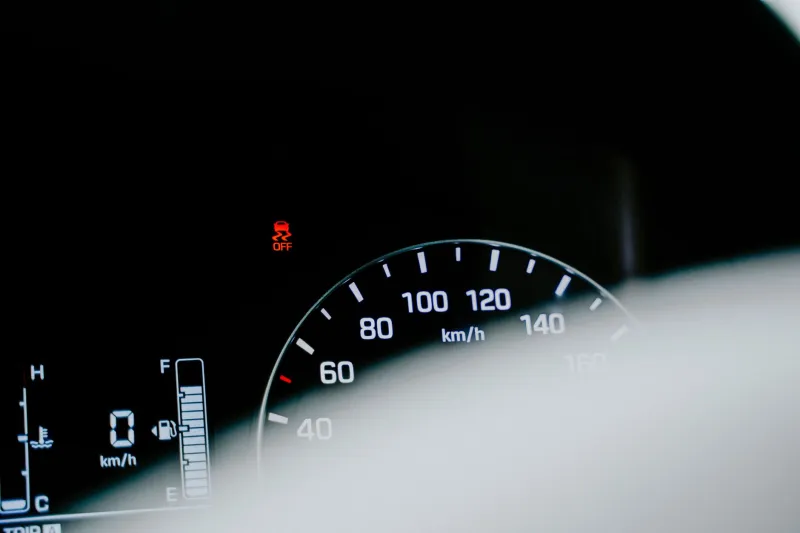
There's a specific kind of dread that hits when you're cruising down I-75 and that little amber glow flickers to life on your dashboard. Your brain immediately jumps to transmission failure, engine replacement, or some four-digit repair bill. We've seen it a thousand times at Autoline Detroit — customers coming in convinced their car is one mile from the junkyard, only to find out it was a loose gas cap the whole time.
The check engine light (officially called the Malfunction Indicator Lamp, or MIL) is one of the most misunderstood features on any vehicle. It's not a death sentence. It's your car trying to have a conversation with you. And once you understand how to listen, you'll stop dreading it quite so much.
What the Check Engine Light Actually Does
Your vehicle runs on a network of sensors constantly feeding data to the onboard diagnostic system — commonly called OBD-II on any car built after 1996. When one of those sensors detects a reading that falls outside the acceptable range, it stores a diagnostic trouble code (DTC) and triggers the check engine light.
Here's the thing most people don't realize: the light itself doesn't tell you what's wrong. It just tells you something is flagged. The actual information lives inside that stored code, which is why the first step in any diagnosis is plugging in a scan tool to read it. Some auto parts stores in the Detroit area will do this for free — it's worth knowing before you assume the worst.
Steady Light vs. Flashing Light — This Difference Matters
Not all check engine lights are created equal, and the way yours behaves is actually a meaningful signal.
A steady, solid light generally means the system has detected a fault that needs attention, but it's not an emergency at this exact moment. You can typically drive the car, but you shouldn't ignore it for weeks on end. Common culprits here include things like a faulty oxygen sensor, a failing catalytic converter, an evaporative emission system leak (often just a loose or cracked gas cap), or a worn spark plug.
A flashing or blinking light is a different story entirely. This means your engine is actively misfiring — unburned fuel is being pushed into the exhaust system, which can damage your catalytic converter in a matter of miles. If your check engine light is flashing, reduce your speed, avoid hard acceleration, and get the vehicle to a shop as soon as possible. Don't wait until tomorrow.
The Most Common Reasons We See It Here in Detroit
After years of servicing vehicles across Metro Detroit, there are a handful of codes that show up on our scan tool more than any others.
Oxygen sensor failure is probably the most frequent. Your O2 sensors monitor how much oxygen is in the exhaust and help the engine computer fine-tune the fuel mixture. A bad sensor won't leave you stranded, but it will hurt your fuel economy and can eventually damage the catalytic converter if ignored long enough.
Loose or faulty gas cap sounds almost too simple, but it's responsible for a surprising number of check engine lights. The fuel system is a sealed unit, and even a small evaporative leak will trigger a code. Tighten your gas cap, clear the code (or let it clear itself after a few drive cycles), and see if the light comes back.
Catalytic converter issues are increasingly common — partly because Detroit's stop-and-go traffic puts extra strain on these components, and partly because catalytic converter theft has become a real problem in this city. If you notice a rotten egg smell along with the light, this is worth investigating quickly.
Mass airflow sensor problems affect how your engine measures incoming air to calculate fuel delivery. Symptoms often include rough idling, poor acceleration, or a noticeable drop in gas mileage alongside the warning light.
Spark plugs and ignition coils are wear items that most people forget about until something goes wrong. Misfires from worn ignition components are one of the leading causes of that flashing check engine light scenario we mentioned earlier.
When Is It Safe to Keep Driving?
This is the question everyone wants answered, and the honest response is: it depends on what else is going on with the car.
If the light is solid (not flashing), the car is running and driving normally, there are no strange noises, no smoke, no burning smells, and no other warning lights on — you're generally okay to drive for a short period while you arrange a diagnostic appointment. Don't take a road trip to Cleveland on it, but getting to work and back while you schedule service is usually fine.
However, if any of the following are true, treat it as urgent:
- The check engine light is flashing or blinking
- You also see a temperature warning or oil pressure light
- The car is running rough, stalling, or hesitating badly
- You smell something burning or see smoke from under the hood
- The car lost power suddenly before the light appeared
In those situations, continuing to drive risks turning a manageable repair into a much bigger one.
What Happens When You Bring It In
When you bring your vehicle to us at Autoline Detroit, the first thing we do is connect a professional-grade scan tool to your OBD-II port — that little port is usually located just under the dashboard on the driver's side. We pull the stored codes and any freeze frame data (which shows what conditions the car was in when the fault was detected), and that gives us a real starting point for diagnosis.
Here's something worth knowing: a code tells us where to look, not necessarily what part to replace. A P0420 code, for example, points to catalytic converter efficiency — but the root cause might actually be an upstream oxygen sensor feeding bad data. Proper diagnosis means following the evidence, not just swapping parts based on the code number alone.
That's why we'd always encourage you to be cautious about shops that quote you a repair price before they've actually diagnosed the vehicle. A code is a clue, not a verdict.
Don't Let Anxiety Drive the Decision
We know the check engine light carries a reputation. Years of horror stories and surprise repair bills have made a lot of Detroit drivers genuinely anxious the moment it appears. But the truth is, most of the issues behind that little amber glow are completely manageable — especially when you catch them early.
The worst thing you can do is ignore it for months hoping it goes away, or panic and authorize a major repair before anyone has properly figured out what's actually wrong. Knowledge is your best tool here.
Next time that light comes on, take a breath, check your gas cap, note whether it's steady or flashing, pay attention to how the car is driving, and give us a call. That's really all it takes to turn a stressful moment into a straightforward service visit.
We're here when you need us — no drama, no guesswork, just honest answers.