Is Your Transmission Fluid Actually Due for a Change — or Are You Being Sold Something You Don't Need?
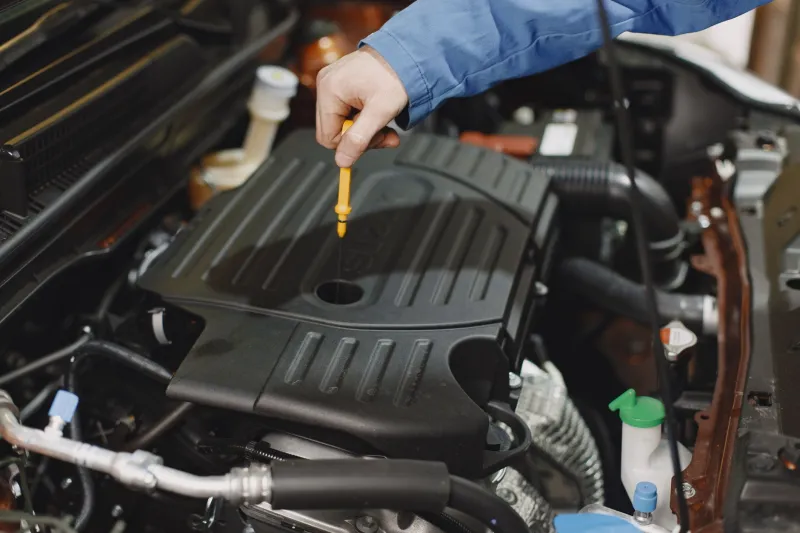
Walk into almost any service center in metro Detroit and there's a decent chance someone's going to mention your transmission fluid. Maybe it shows up on a multi-point inspection sheet. Maybe a service advisor flags it while you're waiting on an oil change. Either way, the recommendation comes with a price tag that can make your eyes water — and a vague warning that skipping it could mean serious trouble down the road.
So what's the truth? Is a transmission flush a legitimate maintenance need, or is it one of those upsells that mostly benefits the shop's bottom line? The honest answer is: it depends — and knowing the difference could save you a few hundred dollars, or protect you from a repair bill that runs into the thousands.
What Transmission Fluid Actually Does
Before we get into the debate, it helps to understand why this fluid matters in the first place. Your automatic transmission is a remarkably complicated piece of machinery — dozens of moving parts, clutch packs, solenoids, and hydraulic circuits all working together every time you shift gears. Transmission fluid is what keeps all of that running smoothly. It lubricates moving parts, transfers hydraulic pressure, and helps regulate operating temperature.
Over time, that fluid breaks down. Heat cycles degrade the additives that keep it performing correctly. Metal particles from normal wear contaminate the fluid. And if your vehicle does a lot of stop-and-go driving — which, let's be real, is basically every commute in Detroit — that fluid works harder and wears out faster than it would under ideal highway conditions.
When fluid goes bad, it doesn't lubricate as effectively. Shifting can become sluggish, rough, or delayed. In worst-case scenarios, neglected fluid contributes to premature transmission failure — a repair that routinely runs anywhere from $2,500 to $5,000 or more depending on the vehicle.
The Flush vs. Drain-and-Fill Debate
Here's where things get a little complicated. There are actually two different services that often get lumped together under the "transmission fluid" umbrella, and they're not the same thing.
A drain and fill is pretty much what it sounds like. You drain the old fluid from the pan, swap out the filter if the design allows for it, and refill with fresh fluid. The catch is that a conventional drain only removes about 40 to 50 percent of the total fluid in the system — the rest stays in the torque converter and cooler lines.
A flush, by contrast, uses a machine to push all of the old fluid out and replace it completely. You're getting 100 percent fresh fluid, which sounds better on paper. But here's the thing a lot of service centers don't tell you: on high-mileage vehicles with neglected transmissions, a full flush can sometimes stir up accumulated debris and cause problems that weren't there before. It's not a common outcome, but experienced Detroit mechanics will tell you it happens.
For most vehicles with reasonably maintained transmissions, a flush is perfectly fine. For a transmission that's been running on dark, burnt fluid for 80,000 miles with no prior service? A drain and fill might actually be the safer first step.
What Detroit Service Centers Typically Recommend — and Why
Most reputable shops in the Detroit area follow manufacturer interval guidelines as a baseline, but those intervals vary wildly depending on who made your vehicle. Some automakers list 30,000-mile intervals. Others push it to 60,000 or even claim the fluid is "lifetime" — a designation that most independent mechanics will tell you is more of a marketing decision than a mechanical one.
The "lifetime fluid" claim deserves some skepticism. Manufacturers set those specs under normal operating conditions. Michigan winters, summer heat, towing, and urban stop-and-go traffic all qualify as severe duty in most owner's manuals — conditions that call for more frequent service intervals, not less.
A good rule of thumb that a lot of local technicians stand behind: have your transmission fluid inspected every 30,000 miles and changed somewhere in the 45,000 to 60,000-mile range under normal conditions. If you're towing, doing a lot of city driving, or driving an older high-mileage vehicle, lean toward the shorter end of that range.
How Much Should You Expect to Pay?
This is the part that trips up a lot of drivers, because pricing in the Detroit market varies more than you'd think.
- Drain and fill (automatic transmission): Typically runs $80 to $150 at most independent shops. Dealership service departments often charge $120 to $200.
- Full flush service: Usually falls between $150 and $250 at independent centers. Dealer pricing can push $200 to $300 depending on the vehicle and fluid type.
- CVT fluid service: Continuously variable transmissions use a specific fluid type that costs more. Expect $150 to $250 for a drain and fill, more for a flush.
- Dual-clutch or automated manual transmissions: Pricing varies, but these systems often require specialized fluid and can run $180 to $300 or more.
If a shop is quoting you significantly above those ranges without a clear explanation, it's reasonable to ask questions — or get a second opinion.
Red Flags to Watch For
Not every shop that recommends a transmission flush is trying to take advantage of you. Most aren't. But there are a few patterns worth knowing about.
Pressure without evidence. If a service advisor is pushing hard for a flush but can't show you what the fluid actually looks like or point to a mileage-based reason, that's worth questioning. Healthy transmission fluid is typically pink or light red. Dark brown or black fluid with a burnt smell is a legitimate reason for service.
Blanket recommendations regardless of mileage. If your vehicle has 18,000 miles on it and a shop is recommending a flush, ask why. Unless you've been towing or operating under severe conditions, that's early.
Upselling after the fact. Some shops recommend flushes as an add-on when you're already in for something unrelated. That doesn't mean the recommendation is wrong, but it's worth pausing to check your records before agreeing.
The Bottom Line for Detroit Drivers
Transmission fluid maintenance is real, and ignoring it is genuinely risky — especially in a city where road conditions and traffic patterns put extra stress on your drivetrain. But not every recommendation you hear in a service bay is equally urgent, and understanding the basics puts you in a much stronger position to make smart decisions.
Pull out your owner's manual, check your mileage history, and don't be afraid to ask a service advisor to show you the fluid condition before you commit to anything. A shop that's confident in their recommendation won't have a problem walking you through the reasoning. And if they can't? That's useful information too.
At Autoline Detroit, we think informed drivers make better customers — and better decisions. When in doubt, ask questions. The right shop will welcome them.